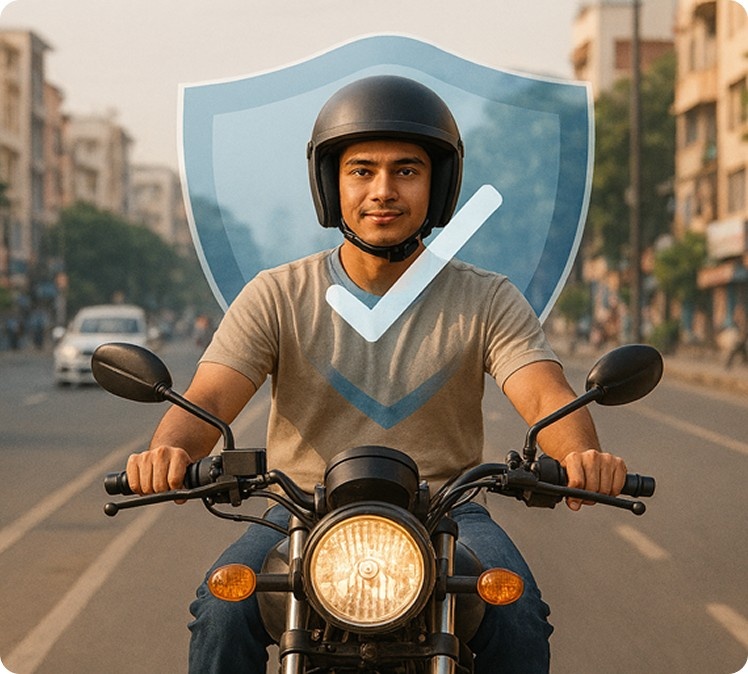
However, in practice, responsible riders know that a policy should go
far beyond minimum compliance. The right plan can protect not only
against third-party damages but also against repair costs for your own
vehicle, accidental injuries, and even the financial burden of theft or
natural calamities. From a simple
two-wheeler insurance
renewal to the decision to
buy bike insurance online
for a new scooter, every policy represents a layer of security that can
ease the financial shock of life’s uncertainties.
The growing diversity of two-wheelers on Indian roads has also made
choosing the best bike insurance policy
more nuanced. A college student insuring a lightweight scooter like the
Honda Activa 6G, a professional covering a premium model like the Royal
Enfield Classic 350, or an eco-conscious commuter opting for
electric bike insurance
on an Ola S1 Pro—each rider faces unique risks, and their insurance
needs reflect this. What unites them is the universal importance of
securing their two-wheeler so that mobility remains both safe and
affordable.
As this guide unfolds, we will explore in detail the
policy types and features, add-ons, model-specific considerations,
electric two-wheeler coverage, premium factors, and location-based
differences
that define two-wheeler insurance in India. With this knowledge, riders
can confidently compare plans, customize their coverage, and ensure that
their journey on the road is backed by financial protection and peace of
mind.
Policy Types & Features
When it comes to protecting your bike or scooter, not all insurance
policies are created equal. In India, insurers provide multiple types of
two-wheeler insurance
, each designed to meet different needs, budgets, and levels of
protection. Understanding these options is the first step toward making
an informed decision.
The most basic form is
third-party bike insurance
, which is legally mandatory under the Motor Vehicles Act. It covers
the financial liability if your vehicle causes injury, death, or
property damage to another person. While this ensures compliance with
the law, it leaves your own scooter or motorcycle unprotected. For this
reason, most riders choose to go a step further.
A more comprehensive choice is, fittingly,
comprehensive bike insurance
. This type of policy bundles third-party liability with
own-damage coverage
, meaning it protects both others on the road and your own two-wheeler.
Whether your motorbike is damaged in an accident, stolen from a parking
lot, or impacted by floods or fire, comprehensive coverage ensures you
don’t bear the entire financial burden. Riders of higher-value vehicles,
like the
Royal Enfield Classic 350
or the
Honda Activa 6G
, often prefer this option for its all-round protection.
Another increasingly popular option is the
standalone own-damage bike insurance policy
. This allows flexibility for those who already hold a long-term
third-party plan but want additional protection for their own vehicle.
It’s especially useful when you’re trying to balance affordability with
essential coverage. Alongside this, insurers also offer
IDV-based bike insurance
. Here, the premium and coverage are determined by the Insured Declared
Value (IDV) of your two-wheeler—the market value that reflects how much
compensation you would receive in case of total loss or theft. A higher
IDV means better protection but comes with a higher premium.
For riders who prefer stability and convenience,
long-term bike insurance
and
multi-year bike insurance
have emerged as practical options. Instead of renewing your two-wheeler
policy every year, you can secure coverage for two or three years in one
go, often at a discounted rate. This not only saves time but also locks
in premiums against annual hikes. Similarly, features like the
No-Claim Bonus (NCB)
reward safe riders by offering progressive discounts on renewal premiums
for each claim-free year, with savings of up to 50% possible over
time.
Specialized features like
bike theft insurance
and
bike accident insurance
also cater to specific risks. For city riders where theft rates are
high—say in Delhi or Mumbai—these covers provide added peace of mind.
Meanwhile,
roadside assistance bike insurance
has become a valuable inclusion for anyone who wants the reassurance of
help in case of sudden breakdowns or emergencies on the road.
Altogether, these different policy types and features give riders the
flexibility to align their insurance with their lifestyle. Whether
you’re insuring a trusted
Hero Splendor Plus
, a stylish
Yamaha MT-15
, or an eco-friendly
Ather 450X
, the right combination of policy type and feature can make all the
difference between just being compliant and being genuinely
secure.
Add-Ons & Coverage Extensions
A standard two-wheeler insurance policy provides the foundation of
protection, but it often leaves gaps that can become expensive in the
real world. This is where
add-ons and coverage extensions
come in—optional riders that enhance your policy and customize it to
your unique riding habits. For most bikers and scooter riders in India,
these small additions can make a big difference when it matters
most.
One of the most popular add-ons is the
zero depreciation bike insurance cover
. Normally, insurers deduct depreciation when settling claims, meaning
you pay part of the cost for replaced parts like plastic, rubber, or
fiber. With zero depreciation, or “bumper-to-bumper” cover, you receive
the full claim amount without those deductions. Riders of newer bikes
such as the
TVS Apache RTR 160
or premium scooters like the
Honda Activa 6G
often choose this to avoid hidden repair costs.
Another valuable extension is the
engine protection bike insurance cover
, which shields your vehicle against engine damage caused by events
like waterlogging or oil leakage—common risks in cities prone to
flooding, such as Mumbai or Chennai. Paired with this is the
consumables cover
, which reimburses costs for items like engine oil, nuts, bolts, and
lubricants, usually excluded from standard claims.
For those who ride with passengers, the
pillion rider cover
provides financial protection for the person on the back seat in case of
accidental injury or death. Similarly, a
helmet cover
helps replace or repair a damaged helmet after an accident, recognizing
that rider safety goes beyond just the bike itself.
Another rider gaining popularity is the
return to invoice cover for two-wheelers
. In the unfortunate event of total loss or theft, this ensures you’re
reimbursed the original on-road price of your bike or scooter, including
registration and taxes, rather than its depreciated market value. Owners
of higher-value models like the
Royal Enfield Bullet 350
or
Bajaj Pulsar NS200
often find this particularly reassuring.
Urban riders benefit greatly from
roadside assistance bike insurance
, which offers 24/7 help for breakdowns, flat tires, or towing
needs—especially important in dense traffic environments like Delhi or
Bangalore. Meanwhile, a
personal accident cover for bike insurance
provides compensation in the event of serious injury or death, offering
peace of mind to both rider and family.
These add-ons do increase the premium slightly, but the protection they
bring often outweighs the additional cost. By choosing wisely, riders
can craft a policy that goes beyond the basics of third-party or
comprehensive coverage, ensuring that their
two-wheeler insurance
reflects not only the value of their bike or scooter but also the way
they ride it. Whether you own a
Hero Passion Pro
for daily commuting or a sleek
Yamaha R15 V4
for long-distance trips, add-ons transform a generic policy into
tailored protection.
Electric Two-Wheeler Insurance
India’s roads are rapidly transforming with the rise of
electric two-wheelers
. From eco-conscious commuters in metro cities to budget-minded riders
in tier-2 towns, scooters and bikes powered by electricity are no longer
a niche choice—they’re becoming mainstream. Popular models like the
Ola S1 Pro
,
Ather 450X
,
TVS iQube Electric
, and the
Bajaj Chetak EV
are reshaping the way Indians think about mobility. But with new
technology comes new responsibility, and this is where
electric two-wheeler insurance
plays a critical role.
At its core,
EV bike insurance
functions much like traditional two-wheeler insurance, offering both
third-party liability coverage
(mandatory by law) and
comprehensive policies
that protect against damage to your own vehicle. However, electric
scooters and bikes come with unique risks that make specialized coverage
more important. The most significant factor is the
battery pack
, which is both the heart of the vehicle and its most expensive
component. Damage, malfunction, or replacement costs can run into
thousands of rupees, making a
battery protection add-on
a must-have for EV owners.
Another key consideration is the advanced electronic systems that power
EVs. From regenerative braking to smart displays and connected apps, the
complexity of an electric bike or scooter means that even minor
accidents can lead to costly repairs. Add-ons like
engine and motor protection cover
, which in this case extend to electric drive components, are crucial
for peace of mind. Similarly,
consumables cover
takes on added importance, covering fluids and lubricants needed during
repairs that are not typically included in standard policies.
The claim process also differs slightly for EVs, as insurers often
assess battery health and usage history before approving replacements.
Owners should ensure their chosen
electric two-wheeler insurance policy
comes from an insurer with a strong
claim settlement ratio
and a wide network of garages certified to handle EVs. Cities like
Bangalore, Pune, and Hyderabad
, where EV adoption is high, already have dedicated service networks,
but coverage in smaller towns is still developing. Choosing a policy
with
roadside assistance for EVs
can be especially valuable, given the limited charging infrastructure
and the possibility of running out of charge mid-journey.
What makes electric bike insurance even more attractive is that many
insurers and the
IRDAI
are encouraging adoption of eco-friendly transport by offering
green discounts
—reduced premiums for EV owners. These discounts, coupled with
government incentives for electric scooters, make owning an EV more
affordable than ever. But while premiums may be lower, it’s still vital
to select coverage that reflects the true replacement cost of your
scooter or bike, especially the battery’s
Insured Declared Value (IDV)
.
In short,
insuring your electric scooter or bike in India
is about more than meeting legal requirements. It’s about safeguarding a
vehicle that represents both your financial investment and your
contribution to sustainable mobility. With the right combination of
comprehensive EV insurance, battery cover, roadside assistance, and
add-ons tailored to electric technology
, riders of the
Ola S1 Pro, Ather 450X, Bajaj Chetak EV, or TVS iQube
can enjoy the benefits of clean mobility without worrying about
unexpected costs.
Popular Bike Models & Insurance Insights
The Indian two-wheeler market is as diverse as the people who ride
them. From budget-friendly commuters to high-performance machines, every
model comes with its own unique insurance considerations. Choosing the
right
bike insurance policy
often depends as much on the model you ride as it does on your personal
budget or riding habits.
For everyday commuters, models like the
Hero Splendor Plus
and the
Honda Activa 6G
dominate Indian roads. These bikes and scooters are affordable, widely
available, and easy to repair, which usually translates into
lower premiums
. However, their popularity also makes them a target for theft in urban
centers like Delhi and Mumbai. For these riders, add-ons such as
bike theft insurance
and
roadside assistance bike insurance
provide an extra layer of protection without significantly raising
premiums.
In the mid-segment, sporty bikes such as the
Bajaj Pulsar NS200
,
TVS Apache RTR 160
, and
Yamaha MT-15
appeal to younger riders. While these bikes are not as expensive as
premium motorcycles, their performance-oriented design means repairs and
replacement parts can cost more. Insurers often account for this with
slightly higher premiums, making add-ons like
zero depreciation bike insurance
and
personal accident cover for bike insurance
especially valuable for this category. Riders in cities with heavy
traffic, like Bangalore or Pune, often prefer roadside assistance as
well.
Premium motorcycles, such as the
Royal Enfield Classic 350
and
Royal Enfield Meteor 350
, present another set of considerations. Their higher market value
leads to higher
IDV-based bike insurance premiums
, but these models also tend to retain value better than commuter
bikes. Comprehensive insurance with
return to invoice cover
ensures peace of mind in case of theft or total loss. Many Royal Enfield
owners also opt for
long-term bike insurance
to lock in premiums and avoid yearly renewals, especially if they use
their bike for touring.
Emerging at the top of the spectrum are luxury and premium performance
bikes like the
KTM Duke 390
,
Yamaha R15 V4
, and even imported superbikes. Insurance for these models is
significantly more expensive, given the higher repair costs and imported
spare parts. Policies here almost always require
comprehensive bike insurance
with full riders—zero depreciation, consumables, engine protection, and
roadside assistance. Owners of such bikes often check the insurer’s
claim settlement ratio
closely, since even a single claim can involve lakhs of rupees in
repairs.
Each bike model carries its own insurance profile shaped by repair
costs, theft risk, IDV, and the rider’s lifestyle. Whether it’s a
Honda Activa insurance plan
for a city commuter, a
Royal Enfield insurance policy
for long-distance touring, or a
Yamaha MT-15 insurance quote
for a young professional, tailoring the policy ensures the right balance
of affordability and protection. By understanding these nuances, riders
can move beyond one-size-fits-all coverage and choose
the best bike insurance policy
for their specific two-wheeler.
Factors That Influence Bike Insurance Premiums
When riders receive a bike insurance quote, the number is not
arbitrary. Every premium is calculated based on a careful assessment of
risk, value, and coverage. Understanding these factors is essential for
making sense of why one rider pays less for the same two-wheeler than
another.
The most important factor is the
Insured Declared Value (IDV)
, which represents the current market value of your bike or scooter. A
higher IDV means higher premiums, but it also ensures greater financial
protection if the vehicle is stolen or completely damaged. For instance,
a
Royal Enfield Classic 350 insurance plan
will naturally cost more than a
Hero Splendor Plus insurance policy
, since the replacement cost of the bike is much higher. Riders should
balance affordability with adequate coverage when selecting their
IDV.
Another major factor is the
make and model
of the two-wheeler. Popular scooters like the
Honda Activa 6G
or commuter bikes like the
Hero Splendor Plus
have cheaper premiums because of widespread availability of spare parts
and lower repair costs. On the other hand, high-performance models like
the
Yamaha R15 V4
or
KTM Duke 390
carry higher premiums due to expensive components, advanced features,
and increased accident risks associated with sporty riding.
Engine capacity and fuel type
also influence premiums. In India, two-wheelers with higher cubic
capacity (CC) attract higher third-party premiums because they are
considered riskier and potentially more damaging in accidents.
Similarly,
electric bike insurance
may differ slightly in pricing compared to petrol or CNG-powered
scooters, since insurers must account for the cost of battery
replacement and newer technology.
The
age of the vehicle
plays a critical role too. A brand-new
Bajaj Pulsar insurance plan
will have a higher premium due to its higher IDV, while a five-year-old
model will cost less to insure because of depreciation. However, older
bikes may require additional riders like
engine protection
since wear and tear can increase the chances of breakdown.
Personal factors matter just as much. A rider’s
age, driving history, and claim record
directly impact premiums. Young or inexperienced riders statistically
face higher accident risks, leading to costlier premiums. Conversely,
riders who maintain a clean driving record enjoy discounts, especially
through the
No-Claim Bonus (NCB)
system, which reduces premiums year after year for claim-free
policyholders. This benefit can accumulate up to 50% and is transferable
when switching insurers or bikes.
Finally,
geographic location
affects the cost of insurance. Riders in metro cities like Delhi,
Mumbai, or Bangalore face higher premiums because of traffic congestion,
theft rates, and accident frequency. In contrast, premiums in cities
like Jaipur or Lucknow tend to be lower due to reduced road density and
fewer claims. Add-ons like
roadside assistance bike insurance
or
theft protection
often become more important in urban areas with higher risks.
Together, these factors—IDV, model, engine size, age, rider profile,
and location—determine the premium you pay. By understanding how
insurers calculate costs, bike owners can make informed choices,
striking the right balance between affordability and protection. Whether
you’re insuring an everyday
Honda Activa
, a mid-segment
Bajaj Pulsar
, or a premium
Yamaha MT-15
, knowing the logic behind premiums ensures you get the best
two-wheeler insurance policy tailored to your needs.
Location-Based Bike Insurance Insights
In India, the cost and coverage of
two-wheeler insurance
are shaped not just by the bike you ride, but also by where you ride it.
Insurers evaluate local conditions—traffic density, accident statistics,
theft risk, and even weather patterns—to determine premiums. This means
that the same model, say a
Honda Activa 6G
, may have very different insurance costs in Delhi compared to
Jaipur.
Take
bike insurance in Delhi
, for example. The capital city sees some of the highest accident rates
and vehicle theft cases in the country. As a result, insurers charge
higher premiums, and riders here often find value in add-ons like
theft protection cover
,
roadside assistance
, and
personal accident cover for bike insurance
. The heavy congestion also increases the likelihood of minor
collisions, making
zero depreciation cover
a practical choice.
In
Mumbai
, the risks extend beyond traffic and theft. Seasonal flooding during
monsoons often leads to severe damage to two-wheelers. Here, policies
with
engine protection for bikes
and
consumables cover
are highly recommended. Riders of popular scooters like the
TVS Jupiter
or premium bikes like the
Royal Enfield Meteor 350
benefit from these add-ons when faced with unexpected water
damage.
Bangalore
presents a different challenge: relentless traffic congestion. While
theft rates are lower than in Delhi or Mumbai, the sheer volume of
vehicles increases accident exposure. Riders of commuter bikes like the
Hero Splendor Plus
often rely on
comprehensive bike insurance
paired with
roadside assistance
, ensuring quick help during breakdowns in peak-hour traffic.
Coastal cities like
Chennai
face unique risks. Cyclones, heavy rains, and humidity can take a toll
on vehicles. Comprehensive policies that include
natural calamity coverage
and
engine protection add-ons
are especially important for riders of both budget-friendly scooters and
premium models. Similarly, in
Kolkata
, monsoons and narrow, crowded streets make comprehensive plans with
consumables and depreciation covers a wise investment.
In emerging urban centers like
Pune
and
Ahmedabad
, insurance premiums reflect growing traffic density and rising
accident rates. Pune, with its large student and working population
riding models such as the
Bajaj Pulsar
and
Yamaha MT-15
, often sees riders opting for budget-friendly add-ons like
pillion rider cover
. Ahmedabad, on the other hand, is catching up with metros in terms of
road risks, and insurers are recalibrating premiums accordingly.
By contrast, cities such as
Jaipur
and
Lucknow
typically enjoy lower premiums due to less congestion and reduced theft
risk. However, seasonal risks like dust storms in Jaipur or heavy
monsoon rains in Lucknow still make add-ons valuable. Riders in these
cities often balance cost and coverage by sticking to
comprehensive two-wheeler insurance policies
with only the most essential extensions.
These variations highlight how geography directly impacts insurance
decisions. Riders in metros may prioritize protection against theft,
accidents, and floods, while those in smaller cities focus on
affordability with essential riders. By considering location-based
risks, two-wheeler owners can ensure their
bike insurance policy
reflects not just their vehicle but also the realities of the roads they
travel every day.
Regulatory Metrics & Insurer Credibility
When it comes to choosing the
best bike insurance policy in India
, it’s not enough to simply compare premiums and add-ons. The
reliability of the insurer matters just as much—if not more—than the
policy itself. After all, a two-wheeler insurance plan is only as good
as the support you receive during the claims process. This is where
regulatory metrics
published by the
Insurance Regulatory and Development Authority of India (IRDAI)
become crucial in evaluating an insurer’s credibility.
One of the most important indicators is the
Claim Settlement Ratio (CSR)
. This metric shows the percentage of claims settled by an insurer
against the total number of claims received in a year. A higher
CSR—generally considered strong if it is consistently above
95%—indicates that the company honors claims promptly and fairly. For
riders insuring bikes such as a
Hero Splendor Plus
or a
Royal Enfield Classic 350
, knowing that their insurer has a strong CSR provides confidence that
legitimate claims will not be unfairly rejected or delayed.
Another key measure is the
Incurred Claims Ratio (ICR)
, which compares the total value of claims paid by an insurer to the
total premiums collected. A healthy ICR, usually in the 70–90% range,
shows that the company maintains a sustainable balance—paying claims
while ensuring financial stability. An ICR that is too low may suggest
the insurer is overly strict in settling claims, while an ICR above 100%
could indicate potential financial strain. Riders comparing
comprehensive bike insurance policies
should consider ICR alongside CSR to get a fuller picture of an
insurer’s performance.
The role of the
IRDAI
is to safeguard consumer interests and enforce fair practices across the
industry. Each year, the regulator publishes official data on CSR and
ICR, providing transparency for buyers. Beyond ratios, IRDAI also
mandates standards for
two-wheeler insurance policies
, ensuring that every insurer adheres to guidelines on claim timelines,
policy wording, and consumer protection. This level of oversight helps
riders—from those buying
scooter insurance online in Delhi
to those insuring premium bikes in Bangalore—make informed choices based
on verified data rather than marketing claims.
Ultimately, regulatory metrics serve as a compass for riders navigating
the crowded bike insurance market. They highlight insurers that are
dependable in times of need, enabling policyholders to go beyond premium
costs and prioritize trustworthiness. For someone looking to
buy two-wheeler insurance online
, checking the CSR and ICR published by IRDAI is one of the most
practical steps toward securing a policy that offers real peace of
mind.
Conclusion – Making the Right Choice
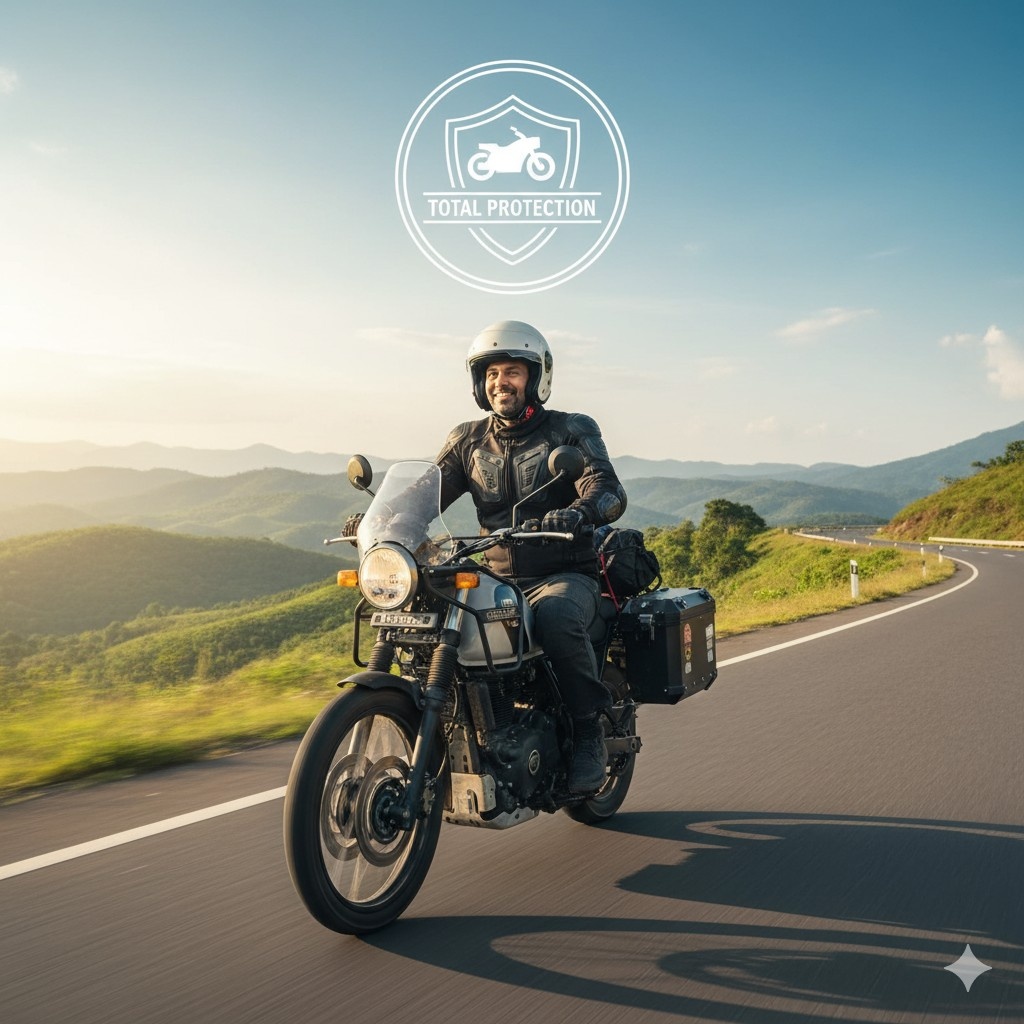
In a country as diverse as India, where two-wheelers range from the
humble
Hero Splendor Plus
to high-performance machines like the
KTM Duke 390
, the need for the right
bike insurance policy
cannot be overstated. Insurance is not merely about meeting legal
obligations—it is about creating a shield of financial security that
travels with you on every ride. From protecting against third-party
liabilities to covering your own damages, theft, or accident-related
expenses, the right plan transforms uncertainty into confidence.
Throughout this guide, we have explored how riders can make informed
decisions. We looked at the basics of
third-party bike insurance
, the holistic protection offered by
comprehensive two-wheeler insurance
, and the flexibility of
standalone own-damage policies
. We saw how
add-ons like zero depreciation, engine protection, and roadside
assistance
enhance coverage, tailoring policies to real-world needs. We also
examined special considerations for
electric two-wheeler insurance
, where battery protection and green discounts play a key role, and
compared the unique risks tied to different bike models, from commuter
scooters to premium motorcycles.
Equally important are the
factors influencing premiums
—from the IDV, bike age, and engine capacity to the rider’s profile and
location. Whether it’s
bike insurance in Delhi
with higher premiums due to theft and congestion, or more affordable
options in cities like Jaipur and Lucknow, we’ve seen how geography
shapes policies. And we highlighted the significance of
IRDAI-published metrics
such as Claim Settlement Ratio and Incurred Claims Ratio in choosing an
insurer you can trust.
At the end of the day, choosing the
best two-wheeler insurance policy
is not about finding the cheapest option—it is about striking the right
balance between cost, coverage, and credibility. A thoughtfully chosen
policy ensures that your bike, whether a daily commuter or a prized
possession, remains protected against life’s uncertainties. It allows
you to ride freely, knowing that your financial safety net is strong,
reliable, and designed around your unique needs.
So before you renew or
buy bike insurance online
, take the time to compare plans, understand add-ons, and review
insurer performance. With the right choice, you’re not just insuring
your vehicle-you’re securing every journey ahead.