diabetes, or heart disease can quickly drain years of savings. Health
insurance bridges this gap by offering financial protection tailored to
medical needs, whether through
individual health insurance, family floater health insurance, senior
citizen health insurance, or even critical illness insurance .
More importantly, health insurance in India today is no longer limited
to covering hospitalization alone. Policies extend to pre- and
post-hospitalization expenses, daycare procedures, maternity coverage,
newborn insurance, and even specialized plans like cancer insurance, cardiac insurance, or COVID-19 insurance. The presence of
government health schemes such as Ayushman Bharat and PMJAY
has further widened access, but private health insurance remains the
preferred choice for many households seeking customized coverage, faster
claims, and comprehensive protection.
For working professionals, freelancers, joint families, and even young
adults starting out on their careers, health insurance is not a luxury
it is a necessity. It empowers people to choose quality care over
compromise, and financial stability over uncertainty. With add-ons like top-up health insurance, super top-up health insurance, no-claim bonus,
wellness programs, and preventive health check-ups, policies today are evolving into holistic healthcare
companions.
This guide will walk you through every critical aspect of health
insurance in India ranging from disease-specific plans and
demographic-based policies to treatments, add-ons, tax benefits, and
hospital coverage so you can make a decision that protects not only your
health, but also your financial future.
Diseases & Medical Conditions Coverage
One of the most powerful aspects of modern health insurance in India is
its ability to provide tailored coverage for specific medical conditions
and diseases. In a country where the burden of chronic and lifestyle
illnesses is rising rapidly, specialized plans ensure that patients and
families are not financially devastated by long-term treatments. These
policies are not just about hospitalization they are about securing
ongoing care, expensive medicines, and advanced therapies that would
otherwise be out of reach.
For instance,
cancer insurance
has become increasingly important as cancer cases in India continue to
rise. A dedicated cancer policy covers not just surgery and
chemotherapy, but also radiotherapy and follow-up treatments that often
stretch over years. Similarly, diabetes insurance
provides financial protection against frequent hospital visits, insulin
expenses, and complications like kidney disease or heart problems. As
one of India's most common chronic conditions, diabetes-linked policies
are invaluable for patients managing lifelong care.
Cardiovascular diseases remain one of the country's leading health
concerns, and policies like cardiac insurance
or heart disease insurance
are specifically designed to handle the high costs of angioplasty,
bypass surgery, and post-operative rehabilitation. Likewise, hypertension insurance
offers coverage for treatments related to blood pressure-induced
complications such as stroke, kidney disease, and heart failure.
Kidney and liver conditions are among the most resource-intensive to
manage, often requiring dialysis or transplant. Dedicated kidney disease insurance
and
liver disease insurance
ease the financial stress of long-term treatment. Neurological
conditions such as Parkinson's and Alzheimer's demand continuous care,
and policies that cover these illnesses help families provide consistent
support without depleting savings.
The COVID-19 pandemic has further highlighted the necessity of
disease-specific plans. With insurers now offering COVID-19 insurance and dengue insurance, individuals can be better prepared for infectious diseases that often
result in sudden, high medical expenses. Even less common conditions
such as tuberculosis,
HIV/AIDS (where available), and
mental illness insurance
are now gaining recognition under IRDAI's mandate for broader
inclusivity in coverage.
By focusing on
disease-specific insurance, individuals can choose plans that directly address their highest
health risks. This approach makes healthcare more affordable,
predictable, and personalized. Rather than relying only on a broad
family floater or individual plan, adding specialized coverage for
chronic or high-risk illnesses ensures that the financial burden of
long-term treatments is shared with the insurer allowing families to
focus on recovery, not expenses.
Critical Illness Coverage
While standard
health insurance
policies take care of hospitalization and treatment costs, they may fall
short when faced with life-threatening diseases that demand prolonged,
specialized, and often extremely costly care. This is where critical illness insurance
becomes indispensable. Unlike regular policies, a critical illness plan
provides a lump-sum payout upon diagnosis of a covered condition,
empowering the policyholder to focus on recovery without worrying about
mounting bills.
In India, critical illness coverage usually includes a wide range of
severe conditions such as cancer, heart attack, stroke, kidney failure, liver failure, paralysis,
major organ transplant, and multiple sclerosis. For example, a person diagnosed with cancer can use the lump-sum
payout not only for hospital bills but also for chemotherapy cycles,
travel to specialized treatment centers, or even loss of income during
recovery. Similarly, someone suffering from a heart attack or undergoing
bypass surgery can use the payout for both medical expenses and family
financial support during downtime.
Policies like
cancer cover plans
are designed to offer staged payouts depending on the severity of the
illness, ensuring ongoing financial aid throughout the treatment
journey. Heart care policies
cover not only surgeries but also procedures like angioplasty, while neuro care coverage
extends protection against conditions such as Parkinson's, Alzheimer's,
and major strokes. In cases of multi-organ failure or terminal illnesses, the payout serves as a crucial lifeline for families managing both
medical and lifestyle expenses.
Another key advantage of critical illness insurance is flexibility.
Unlike a cashless hospitalization claim that must align with hospital
bills, the lump-sum payout under critical illness coverage can be used
however the insured wishes whether to pay for alternative therapies,
replace lost income, or fund long-term caregiving. This makes it
especially valuable for middle-class families in India, where a sudden
medical crisis can derail years of financial planning.
With rising healthcare costs and increasing incidence of
lifestyle-related illnesses, critical illness coverage is no longer an
optional rider it is a core component of comprehensive health
protection. For working professionals, senior citizens, or families with
a history of chronic disease, opting for a critical illness insurance policy
ensures preparedness for life's most challenging medical battles.
Demographic-Specific Health Insurance Plans
Health insurance in India is not one-size-fits-all. Every individual's
needs vary based on age, family size, gender, and life stage. To address
this, insurers have developed demographic-specific health insurance plans
that cater to different groups from young professionals to senior
citizens, and from expecting mothers to children. Choosing the right
plan based on personal circumstances ensures that healthcare protection
is both relevant and comprehensive.
For individuals,
individual health insurance
policies provide coverage tailored to a single person, making them an
ideal choice for young professionals or single adults. These plans cover
hospitalization expenses, treatments, and day-care procedures, often
with the option to enhance protection through riders like critical
illness cover or personal accident cover. Premiums are usually lower for
younger buyers, making early investment in such policies
cost-effective.
Families often find better value in
family floater health insurance, where a single sum insured covers all members of the household. This
is especially practical for nuclear families, as the risk pool is
shared, and unused benefits by one member remain available for others.
Parents insuring themselves along with their children under one umbrella
plan find this both economical and convenient, with options to include
newborns after a waiting period.
For the elderly,
senior citizen health insurance
policies provide critical support. These plans are tailored to older
adults who are more prone to age-related illnesses such as cardiac
conditions, diabetes, or joint disorders. They typically come with
higher entry ages, cover for pre-existing diseases (after a waiting
period), and features like domiciliary care, annual health check-ups,
and higher sum insured options. While premiums may be higher, they
reflect the increased likelihood of medical needs in later life.
Another important category is
maternity insurance, which provides coverage for pregnancy-related expenses, childbirth
(normal and cesarean), and newborn care. These policies are highly
relevant for young couples planning a family. Many insurers offer
maternity benefits as add-ons to family floater plans, ensuring
continuity of coverage for both mother and child. Complementing this are child health insurance policies, designed to protect children against illnesses, accidents, and
hospitalization needs, offering peace of mind to parents.
Specialized plans also extend to
women's health insurance, which may include coverage for conditions like breast and cervical
cancer, maternity, and gynecological procedures. These policies are
built with the understanding that women face unique healthcare needs,
and tailored coverage ensures they aren't left financially
vulnerable.
By recognizing demographic diversity, insurers enable families to
select policies that directly align with their stage of life. Whether
it's the affordability of an individual plan, the shared security of a
family floater, or the targeted support of senior citizen and maternity
policies, demographic-specific health insurance ensures that every
individual has access to healthcare tailored to their unique
journey.
Treatments and Hospital Coverage
The true value of any
health insurance policy
is realized at the time of treatment and hospitalization. In India,
where medical expenses can vary drastically between government and
private hospitals, insurance ensures that quality healthcare is
accessible without causing financial stress. Coverage today extends well
beyond basic hospital bills, encompassing surgeries, intensive care, and
even specialized therapies.
Most modern policies include
cashless hospitalization insurance, where the insurer directly settles bills with empaneled hospitals,
sparing patients the burden of arranging funds during emergencies.
Whether it is a minor day-care procedure or a major surgery, cashless
networks spanning thousands of hospitals across India give policyholders
access to seamless treatment. For families living in metros like Delhi,
Mumbai, or Bangalore, this feature is often the difference between
immediate care and delayed admission.
Hospitalization coverage generally includes room rent, ICU charges, doctor's consultation fees, and nursing
costs, ensuring that even extended stays don't disrupt household savings.
Treatments such as chemotherapy, dialysis, and organ transplants
are also covered under most comprehensive plans. For instance, cancer insurance
policies ensure coverage for repeated chemotherapy cycles, while kidney disease insurance
addresses the recurring costs of dialysis.
In addition to conventional procedures, insurers now include advanced treatments such as robotic surgery, bypass surgery, and organ
replacement
within the scope of health insurance. These are particularly important
for critical illnesses like cardiac disease or neurological conditions,
where cutting-edge technology can make a life-saving difference but also
come at a very high cost.
Many policies cover
day-care procedures
treatments that don't require 24-hour hospitalization, such as cataract
surgery, ENT procedures, or minimally invasive operations. This feature
reflects the evolving nature of healthcare in India, where technological
advances reduce recovery time but increase the need for specialized
equipment and higher costs.
Beyond the hospital walls, pre-hospitalization and post-hospitalization expenses
are also included. This means consultations, diagnostic tests, and
medicines prescribed before admission, as well as follow-up visits and
physiotherapy sessions after discharge, are reimbursed as part of the
claim. For families, especially those managing long-term care like heart
disease or diabetes, this makes insurance coverage more holistic and
less restrictive.
Empanelment with reputed hospital chains is another defining feature of
policies today. Many insurers highlight their tie-ups with Apollo Hospitals, Fortis, Max Healthcare, AIIMS, and Narayana
Health, giving customers confidence in both quality of care and ease of claim
settlement. For patients, the reassurance of being able to walk into a
trusted hospital and receive treatment without worrying about upfront
payments is invaluable.
In short,
hospitalization insurance in India
has expanded from covering only emergencies to offering all-inclusive
support across surgeries, advanced treatments, day-care procedures, and
aftercare. By ensuring financial backing at every stage of treatment,
health insurance enables individuals and families to focus on recovery
rather than bills, bridging the gap between medical need and financial
security.
Policy Features & Add-Ons
Modern
health insurance policies in India
are no longer limited to basic hospitalization coverage. Over time,
insurers have introduced a range of features and add-ons
that allow policyholders to customize their plans to fit individual and
family needs. These enhancements bridge gaps in standard coverage and
ensure that medical costs are managed more comprehensively.
One of the most practical tools is the top-up and super top-up health insurance
option. A top-up policy activates once your claim exceeds a fixed
deductible, making it ideal for major treatments like organ transplants
or long ICU stays. Super top-up policies take this further by covering
multiple claims over a policy year after the deductible is crossed,
providing ongoing protection against high medical expenses. For families
with an existing employer-provided plan, adding a super top-up is an
affordable way to expand coverage without purchasing an entirely new
policy.
Another widely valued feature is the No Claim Bonus (NCB). For every year you go without making a claim, insurers reward you
with a discount on premiums or an increase in the sum insured, sometimes
up to 100%. This makes preventive healthcare rewarding and motivates
policyholders to use insurance only for significant medical events. Over
time, the NCB can double your coverage at no extra cost, giving families
higher protection for the same price.
To meet evolving healthcare needs, insurers also offer wellness programs and preventive health check-ups
as part of their policies. Annual health screenings, teleconsultations,
fitness rewards, and discounts for maintaining healthy lifestyles are
becoming common features. Some policies even offer gym memberships or
dietician consultations, reinforcing the role of insurance as a
proactive healthcare partner rather than just a reactive safety
net.
A growing number of insurers now include AYUSH coverage, which reimburses treatment expenses under Ayurveda, Yoga, Unani,
Siddha, and Homeopathy. Given India's deep tradition in alternative
medicine and the rising demand for holistic treatments, AYUSH coverage
expands choice for patients seeking integrative care beyond conventional
hospitals.
Add-on covers also play a significant role in customizing protection. Critical illness riders
provide lump-sum payouts for serious conditions like cancer or heart
disease. Maternity and newborn add-ons
cover childbirth costs and immediate neonatal care, often with built-in
waiting periods. Room rent waiver add-ons
allow patients to choose higher room categories without extra costs,
while consumables covers
reimburse items like gloves, syringes, and PPE kits, which became
significant expenses during the COVID-19 pandemic.
It's important to note that most policies also come with waiting periods, especially for pre-existing diseases, maternity benefits, and certain
specific conditions. Understanding these waiting periods is crucial when
selecting add-ons, as coverage may not be immediate. For example,
maternity add-ons typically have a waiting period of 2-4 years, making
early planning essential for young couples.
Together, these features and add-ons transform health insurance into a
flexible, adaptable financial tool. They allow individuals to tailor
coverage for chronic disease management, family planning, alternative
therapies, or even wellness maintenance. In a country where healthcare
costs are rising rapidly, leveraging these policy enhancements ensures
that health insurance works not just as emergency protection, but as a
continuous partner in maintaining health and financial stability.
Government Schemes & Benefits
In India, where healthcare costs often rise faster than income levels, government health insurance schemes
have become a lifeline for millions. These programs are designed to make
medical care accessible and affordable for vulnerable populations who
may otherwise struggle to afford private insurance premiums. For many
families, they serve as the first line of protection, while for others
they complement private health insurance by covering gaps and reducing
out-of-pocket expenses.
The flagship initiative is Ayushman Bharat - Pradhan Mantri Jan Arogya Yojana (PMJAY), which provides cashless treatment up to ₹5 lakh per family per
year for secondary and tertiary care hospitalization. This scheme is
targeted at economically weaker households and covers a wide range of
treatments, including surgeries, maternity, and chronic illness
management. With more than 25,000 empaneled hospitals across India,
PMJAY has become one of the world's largest publicly funded health
insurance programs.
At the state level, several governments have introduced their own
schemes to address local healthcare needs. For example, Tamil Nadu's Chief Minister's Comprehensive Health Insurance Scheme
(CMCHIS)
provides free treatment for families with low annual incomes, while Aarogyasri in Telangana and Andhra Pradesh
covers life-threatening diseases requiring costly surgeries. In
Maharashtra, the Mahatma Jyotiba Phule Jan Arogya Yojana
supports low-income groups with coverage for major medical treatments.
These regional programs demonstrate how states are tailoring insurance
solutions to their populations' specific requirements.
Specialized schemes also extend protection to particular groups. The Central Government Health Scheme (CGHS)
offers comprehensive healthcare to central government employees,
pensioners, and their families, including outpatient and inpatient
services. Similarly, the Employees' State Insurance Scheme (ESIS)
provides medical care and cash benefits to workers in the organized
sector earning below a certain threshold. Such programs highlight how
government-backed health insurance is not limited to low-income groups
but extends across various categories of citizens.
Beyond direct coverage, government schemes also promote awareness of
health insurance as a necessity. By offering free or subsidized
protection, they encourage households to consider additional private health insurance
to supplement the basic support provided by public schemes. For
instance, a family covered under PMJAY may still choose a private family
floater plan to access wider hospital networks, shorter waiting periods,
or higher room rent limits. In this way, government schemes and private
insurance often work together to provide more holistic protection.
The benefits of government health insurance go beyond financial relief
they also ensure that vulnerable families do not delay or avoid
treatment due to cost concerns. By reducing barriers to hospitalization
and critical care, these programs improve health outcomes and help
reduce the long-term burden of untreated illnesses on society.
In summary, government schemes like PMJAY, CGHS, ESIS, and various state-level programs
play a vital role in India's healthcare landscape. They provide
essential safety nets, especially for those who cannot afford private
insurance, while also complementing private coverage for middle-class
families. As healthcare demands grow, combining the strengths of public
schemes with private health insurance can create a more balanced and
resilient system, ensuring that quality care remains within reach for
all.
Tax Benefits of Health Insurance
Health insurance in India offers not just financial protection against
medical emergencies, but also significant tax-saving benefits, making it a smart financial planning tool. The Income Tax Act, 1961, through Section 80D, allows individuals and families to claim deductions on premiums paid
toward health insurance policies, thereby reducing their taxable income.
These provisions encourage more people to invest in insurance while
easing the burden of rising healthcare costs.
For individuals, premiums paid for self, spouse, and dependent children are eligible for tax deductions of up to ₹25,000 per financial year. If the policyholder or spouse is a senior citizen (aged 60 or above), this limit increases to ₹50,000. Families can also claim an additional deduction of up to ₹25,000 (₹50,000 for senior citizens)
if they purchase health insurance for their parents. In total, a family
with senior citizen parents can claim deductions of up to ₹1 lakh annually .
These benefits extend beyond regular health insurance premiums.
Payments made toward top-up and super top-up health insurance policies
also qualify for deductions under Section 80D. Similarly, premiums for critical illness insurance, family floater plans, and senior citizen
health policies
are eligible, offering flexibility for households to combine coverage
with tax planning.
The scope of tax benefits includes not only premiums but also certain preventive health check-ups. Taxpayers can claim up to ₹5,000 per year
within the overall deduction limit for preventive check-ups for
themselves or their family members. This provision encourages regular
health screenings, aligning with the government's goal of promoting
preventive healthcare.
It is important to note that to avail of these deductions, premiums
must be paid through non-cash modes
such as net banking, credit cards, debit cards, or UPI. However,
payments for preventive check-ups can be made in cash. This distinction
ensures transparency while keeping the process convenient for
policyholders.
For businesses and professionals, health insurance also offers indirect
benefits. Employers providing group health insurance to their staff can
claim it as a business expense, while employees enjoy tax-free coverage.
This creates a win-win scenario, fostering a culture of health security
in the workplace.
The tax savings from health insurance complement its primary purpose
protection against medical costs. While the deductions reduce annual tax
outflow, the real value lies in knowing that one hospital bill won't
derail your finances. In effect, health insurance becomes both a financial safety net and a tax-saving instrument, making it an essential part of every household's financial
portfolio.
By integrating health insurance into tax planning, individuals not only
secure their health but also optimize their finances. As medical
inflation continues to rise, leveraging Section 80D benefits
ensures that families remain protected and financially resilient, all
while lowering their taxable income.
Conclusion - Making the Right Choice
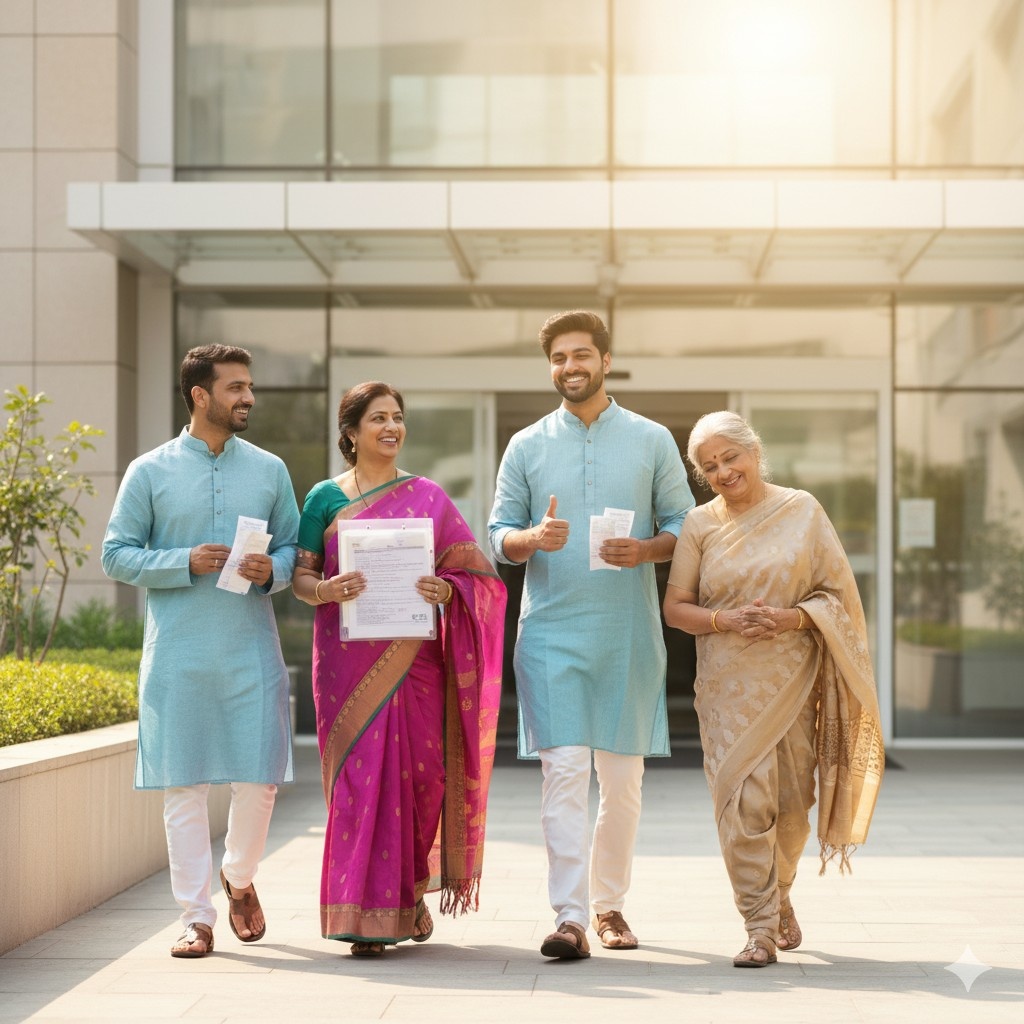
Health insurance in India has evolved from being an optional safeguard
to becoming an essential part of every family's financial and health
planning. With rising medical costs, an increase in lifestyle diseases,
and the unpredictability of emergencies, the right policy ensures that
healthcare is accessible without derailing long-term savings. From
disease-specific coverage
for conditions like cancer and diabetes to
critical illness plans, demographic-specific policies, and
comprehensive hospital coverage
, health insurance offers a wide range of solutions to meet diverse
needs.
We've seen how
policy features and add-ons
such as top-ups, wellness programs, AYUSH coverage, and maternity
benefits add flexibility and depth to standard protection. Government
schemes like
Ayushman Bharat (PMJAY)
and state programs complement private insurance, ensuring that
vulnerable populations are not left behind. On the financial side,
tax benefits under Section 80D
make health insurance doubly rewarding, allowing families to save on
taxes while strengthening their safety net.
Ultimately, the best health insurance plan is not the cheapest, but the
one that balances coverage, affordability, and reliability. It's about aligning your policy with your age, family size, medical
history, and lifestyle. Whether you're a young professional just
starting out, a parent planning for your family's well-being, or a
senior citizen seeking security in retirement, there's a health
insurance solution designed for you.
By making the right choice today, you don't just insure against medical
bills you invest in peace of mind, financial stability, and the
assurance that quality healthcare will always be within reach.